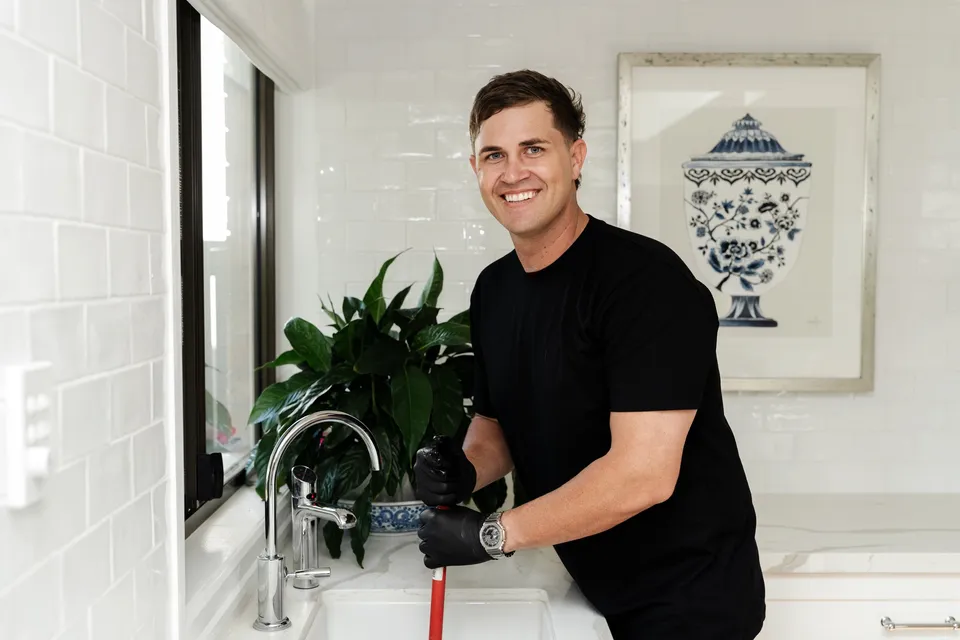
Fixing a Dripping Tap
Washers, seats and cartridges, at any tap in the house:
Every tap in the house gets turned dozens of times a day, and the toilet more still. So the faults arrive fast: a drip at the spout, a cistern that never stops, a flush gone limp. Tap and toilet repairs in Toowong are our bread and butter, from a single washer to a whole new fixture, and every job is done by a licensed plumber.
If we're late, $100 comes off your bill

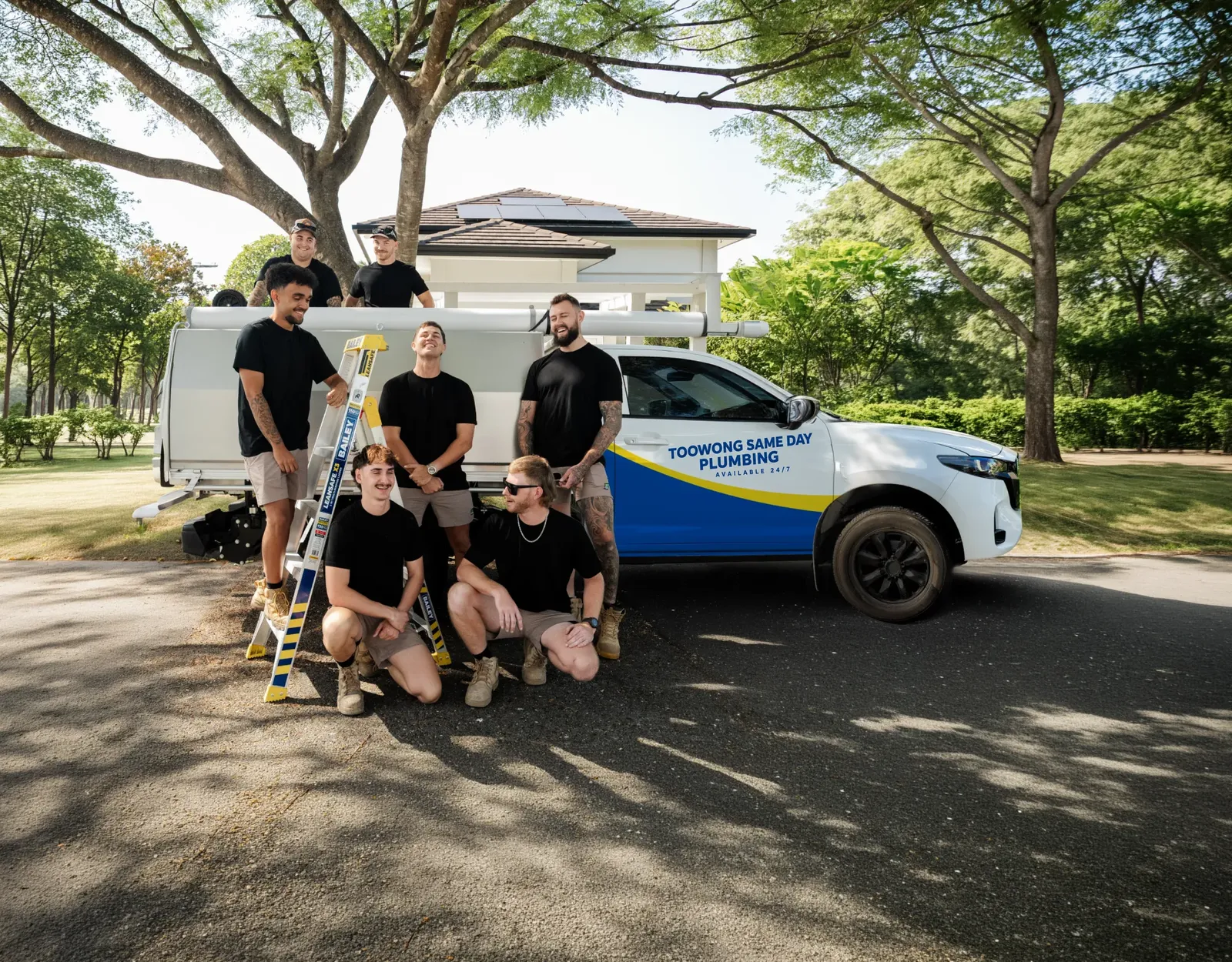
We work the lot across Toowong, high-rise units and hillside Queenslanders alike. Start with the faults below, then follow a link to the page that matches your problem.
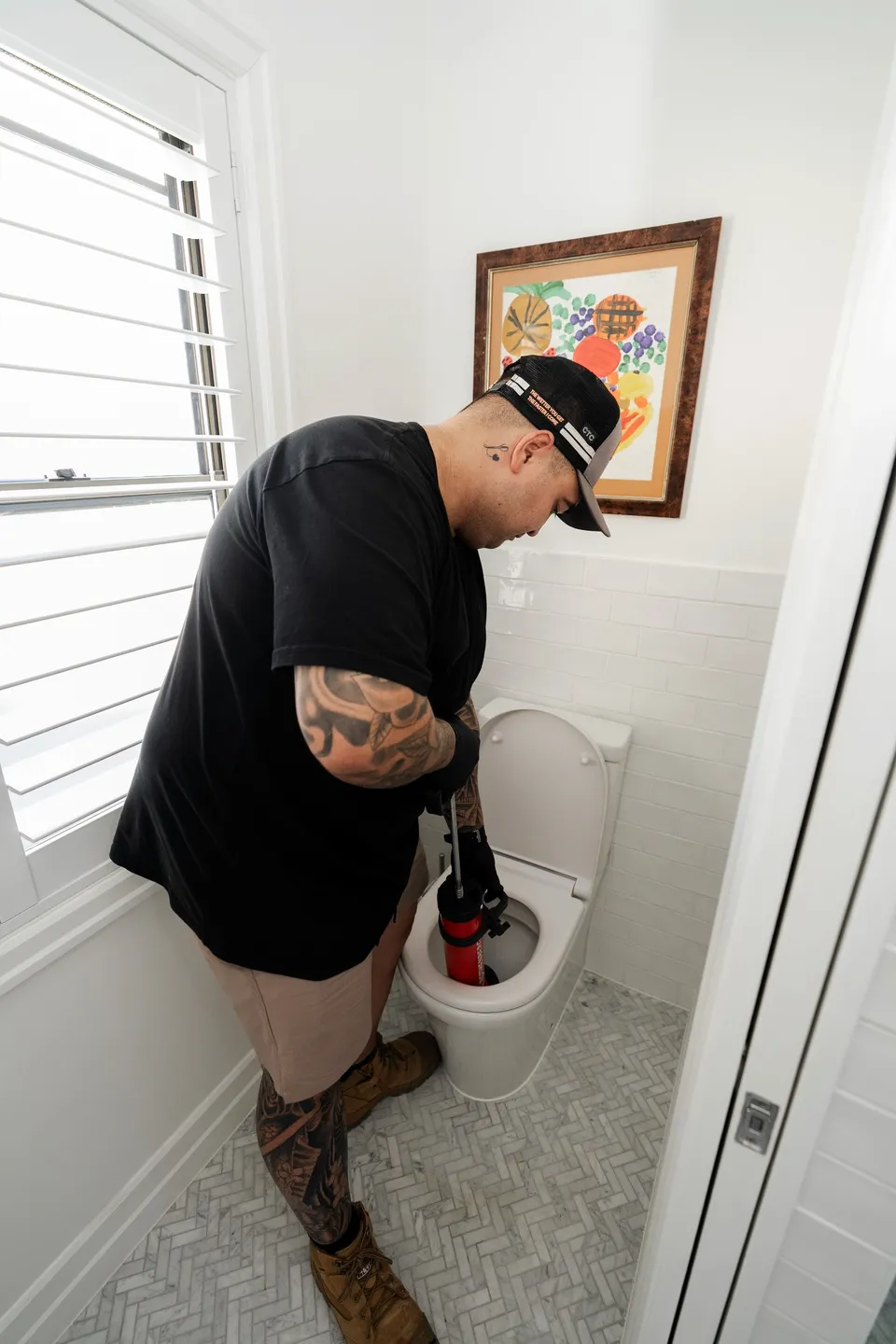
Most drips, runs and slow fills trace back to worn washers, cartridges and valves, which makes them repairs rather than replacements. A crack through the body of a tap, a cistern wall or a pan is where replacing takes over.
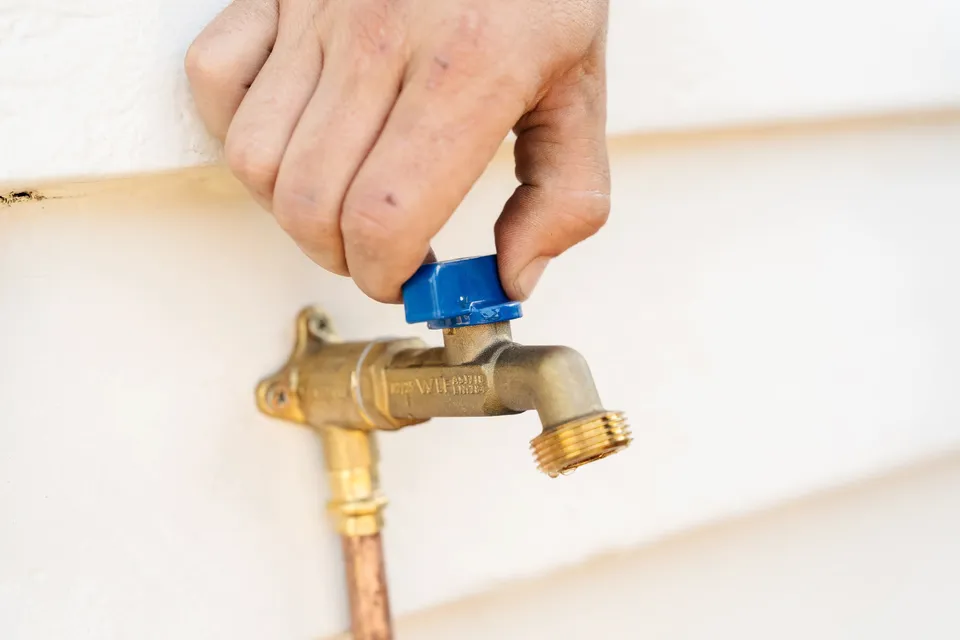
A dripping washer-style tap usually needs a fresh washer, or the valve seat dressed smooth where the brass has worn rough. Plenty of taps along High Street and the older streets near it are decades old and still worth repairing.
A dripping mixer usually means swapping the ceramic disc cartridge inside it. The cartridge comes out whole, so a sound mixer body rarely needs replacing over a drip.
A cistern that keeps running or seeping usually comes right with a replacement inlet valve and a fresh outlet washer. Fill and flush troubles sit with those two parts while the porcelain stays sound.
A crack, or heavy corrosion in a brass body, ends the repair conversation. We judge each job on its merits, and a fixture on its third call-out in a year often costs less to change.
The Water Efficiency Labelling and Standards scheme, WELS for short, rates taps and toilets by stars and by water use. Any tap or toilet sold or fitted in Australia carries that label. WaterMark certification rides along on taps, pans and cisterns too, and a licensed plumber needs it before fitting one lawfully.
The numbers bite in two places:
A new house, townhouse or self-contained unit needs a dual-flush toilet of at least 4 stars, and every tap fitting and showerhead at 3 stars or more. Renovations are excluded from those minimums.
Before an owner can charge a Queensland tenant for water use, cold taps indoors and single-lever mixers need to run at 9 litres a minute or less. A dual-flush cistern cannot pass 6.5 litres full-flush or 3.5 half-flush, averaging under 4.
The 9-litre cap covers cold taps over a basin, a sink or a laundry tub, mixers included. Baths, outdoor garden points and feeds for washers and dishwashers sit outside it.
Most households here rent rather than own, so those tenancy numbers matter. An owner charging water needs the flows checked before the first bill, and a tenant disputing a charge can ask for the same check. A plumber can test the flows at any rental, from a unit above the shops on Sherwood Road to a house near Stuartholme on Birdwood Terrace.

No, it does not. Urban Utilities runs a concealed leak adjustment for hidden pipe breaks, but water lost from a dripping tap or a weeping cistern sits outside that help, and the owner carries the loss.
The adjustment targets breaks you cannot see, behind a wall or under a slab. A tap or a cistern announces its leak at the fixture, so the utility treats that water as yours to fix and to pay for.
The meter draws the line. Urban Utilities looks after the mains and the meter, and every pipe and fitting past the meter belongs to the property owner.
Census figures put 3,642 dwellings here in flats and apartments, against 1,529 houses, so small per-fixture leaks multiply fast across whole buildings. A slow drip quietly sheds thousands of litres over a year, so the repair usually earns its keep on the bill.
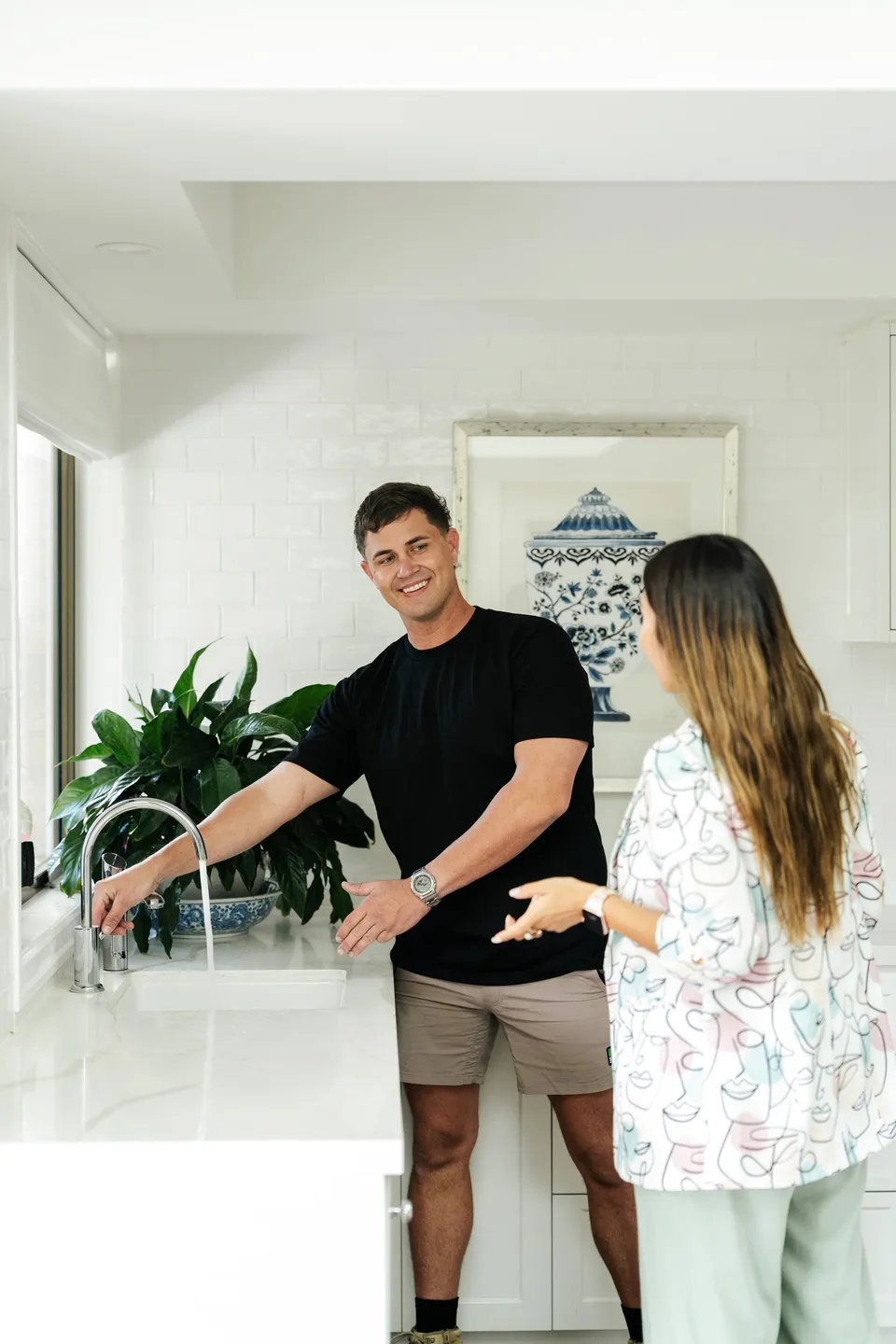
Only one narrow QBCC list of small parts is open to anyone; the rest of this work sits with licensed plumbers, as minor or notifiable work.
Anyone with the knowledge and skill for it may do unregulated work: no licence, no approval, no report, though the result still needs to reach the standard the codes set. For taps and toilets, the QBCC list covers a tap's internal washer or jumper valve, along with a cistern's three service rubbers: the drop-valve washer, the suction cup and the float-valve washer.
Repairs on taps and toilets, and fixture swaps, are minor work: a QBCC licensee carries them out, without a permit or a Form 4.
Installing a new fixture, a toilet say, or shifting an existing one, is notifiable work. There's no council permit for this one, but Form 4 paperwork goes to the QBCC inside 10 business days after completion, and you keep a copy.
That is the whole map for this kind of job, and it is why we handle the lot. You can check us on the QBCC's public register any time.
Tap and toilet jobs split by fixture and by fault across the pages below:
Washers, seats and cartridges, at any tap in the house:
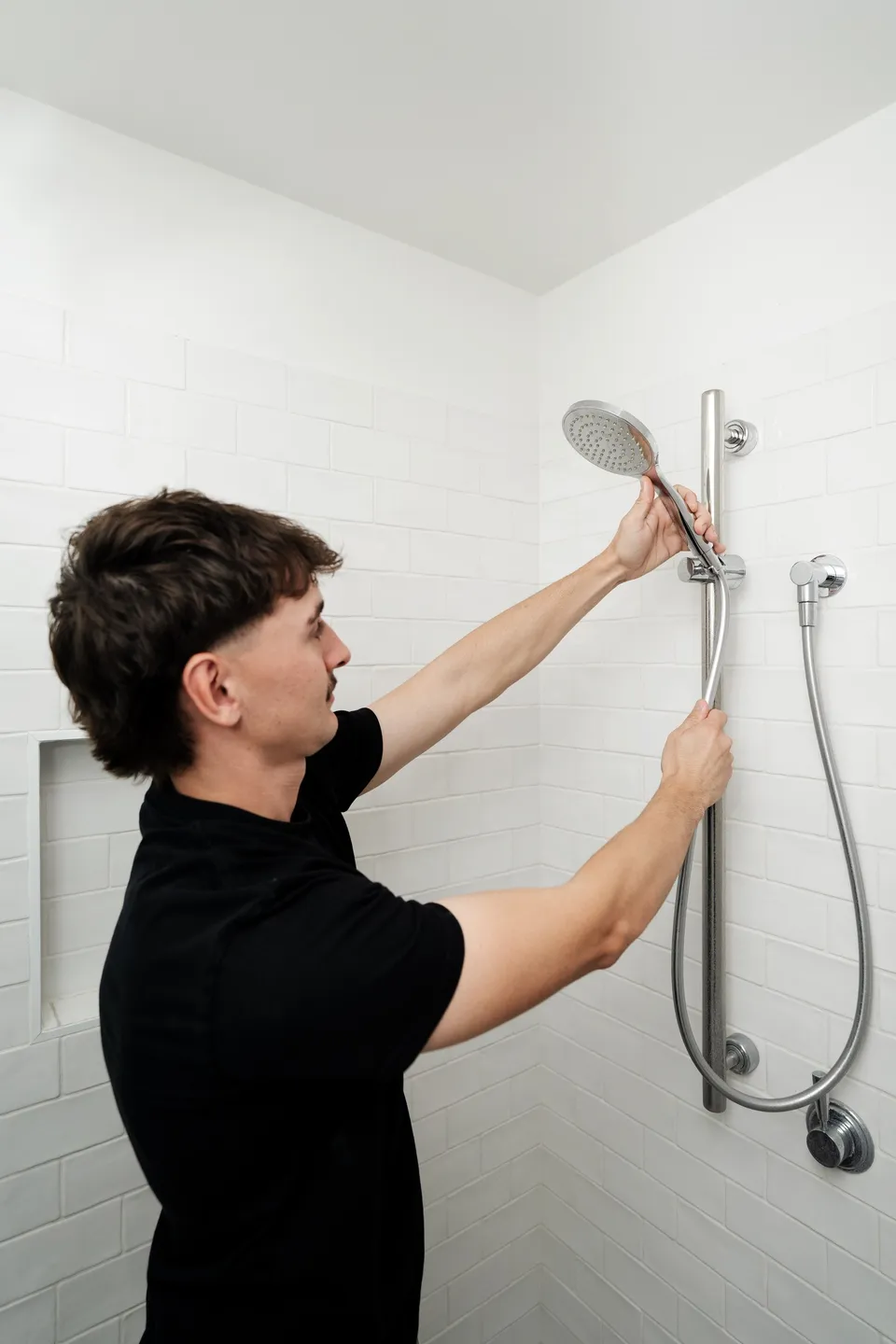
A new mixer, a full tapware set or a like-for-like swap:
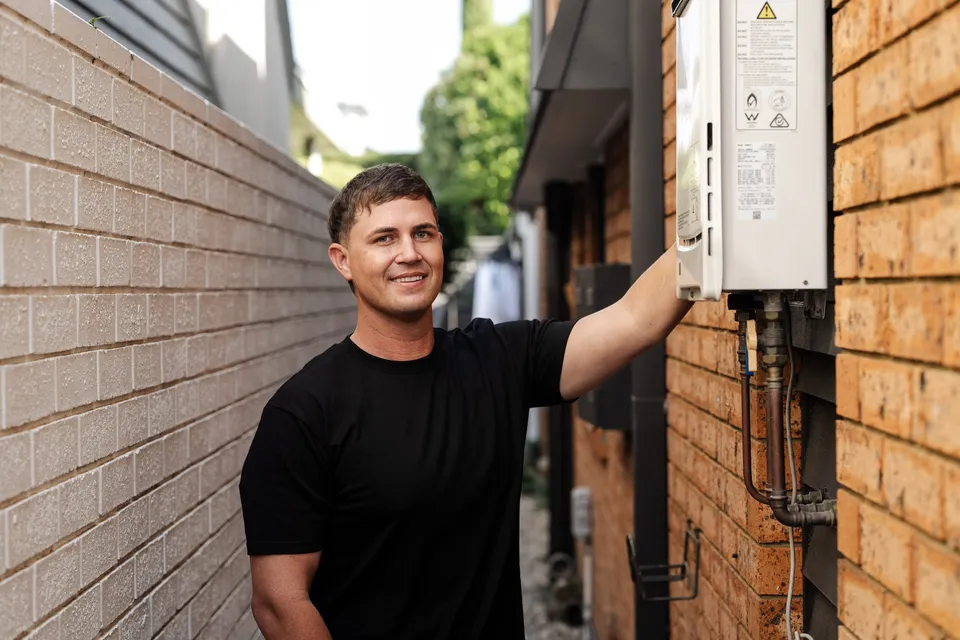
Running, seeping, slow-filling cisterns and weak flushes:
A loo that half-flushes itself between visits:
Blocked loos and drain faults live on a separate page, because the fix sits further down the pipe than the fixture.
$0 call-out fees, available 24/7, and same-day where we can.

Call (07) 3524 7137 or send a quick message about the job in Toowong, and we'll ask what we need to know.
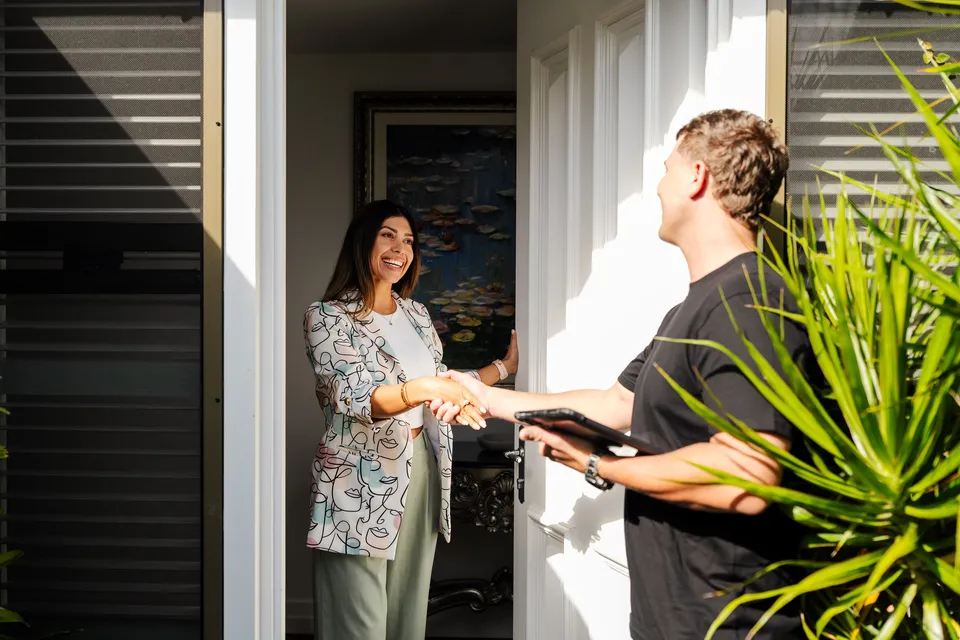
We shut the fixture down at its stop tap, strip it down on the spot, and find which part gave out, from the washer to the inlet valve. A cracked body or pan gets talked through before anything moves.
You'll see a fixed quote before any work starts, with flat-rate pricing and no hidden fees. The job starts when you're happy with it.

Pay by card or EFTPOS on site after the work's finished, or choose Fix now, pay later.
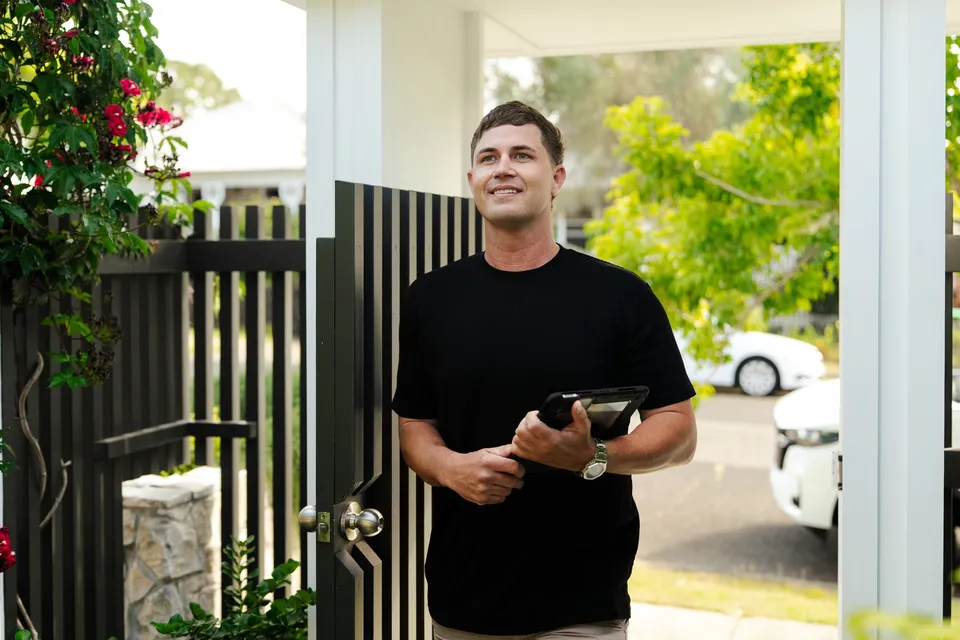
Every job in Toowong comes with $0 call-out fees, and there's no extra charge for nights, weekends or public holidays.
You get a fixed quote before any work starts, with flat-rate pricing and no hidden fees.
Our Fix-It-or-It's-Free guarantee covers the work (T&Cs apply), our labour carries a lifetime labour warranty, and if we're late, $100 comes off your bill.
Every job is done by a licensed plumber under QBCC No: 15024607. We're licensed and insured, locally owned and operated, and proud MPAQ members.
Most fixture faults are repairs. We fix drips from the spout, a handle or a mixer base; cisterns that keep running, seep, or fill at a crawl; flushes gone weak; and tired stop taps and worn connections. Our pages on tap repairs and on toilet repairs take each fault in turn.
No, neither one usually is. Both can hold for a scheduled visit, but each sheds water until repaired. Water you cannot shut off is different: turn it down at the stop tap or the meter, then read our emergency page.
Yes, for a short list of small parts. Queensland leaves the washer or jumper valve inside a tap, and a cistern's drop-valve, float-valve and suction-cup rubbers, open to anyone, provided the finished work reaches the standard the codes set. A whole new tap or toilet stays licensed work.
Yes, you do. Putting a new tap in is licensed work. Fixing or changing a tap or a toilet counts as minor work for a QBCC licensee, and a brand-new toilet in an existing building is notifiable work, reported on a Form 4.
The stars come from WELS, the national water-rating scheme: a registered tap or toilet shows its star count and its water use on the label. WaterMark certification matters too, because a licensed plumber cannot install a fixture without it.
The owner or manager has to keep a Queensland rental in good repair, and the tenant passes faults on promptly. A toilet that is blocked or broken sits on the emergency repairs list, so arranging that fix cannot wait for a routine visit.

Call (07) 3524 7137 to book a plumber in Toowong. We're available 24/7, with $0 call-out fees, flat-rate pricing and same-day where we can.
Current offers:
T&Cs apply. Mention this offer when booking.
To claim your $0 call-out fee, call (07) 3524 7137 today.